UK Latest News 2026: immigration, housing and everyday life
Rule changes, policy updates and everyday-life stories affecting people moving to and living in the UK. Reported and edited in-house, with links back to the guides and sources you need.
Last updated: 16 October 2026

Visas & Immigration
EU Settlement Scheme Changes October 2026: What HC 584 Means for Status Holders and Family Members
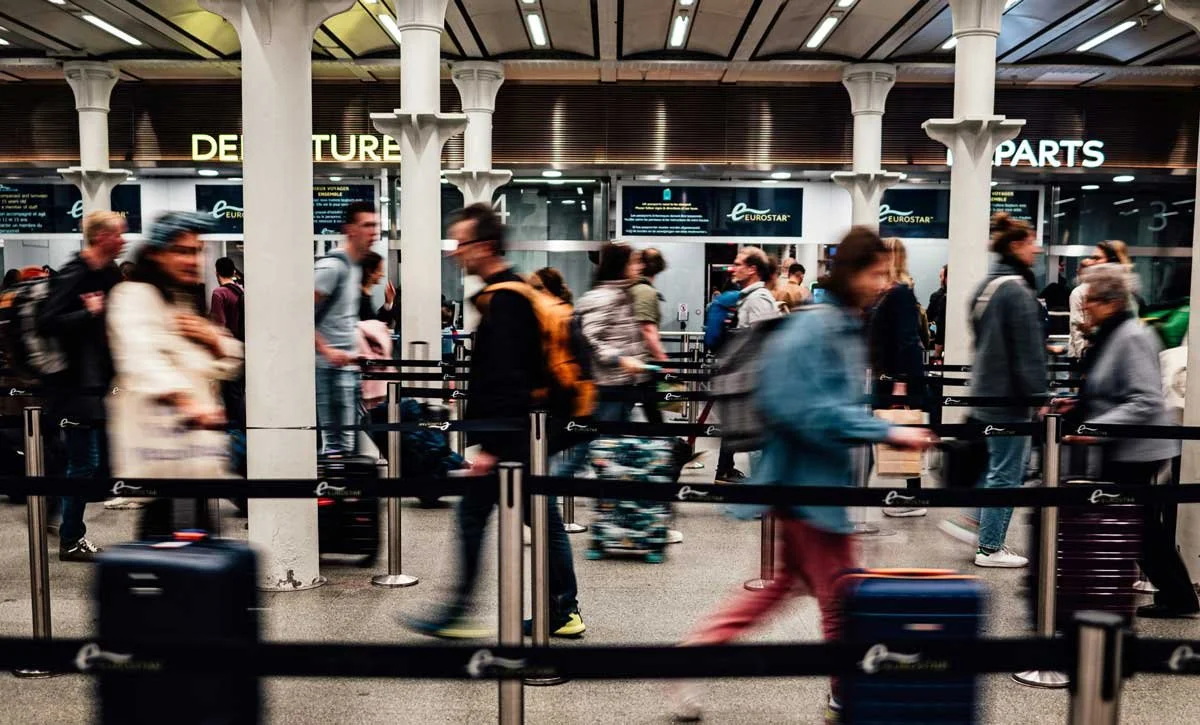
The Home Office has updated its EU Settlement Scheme caseworker guidance for new rules in force from 8 October 2026. The changes cover pre-settled status removal, the three-month deadline for joining family members, carers of children in education and expired biometric residence permits.
Visas & Immigration
Home Secretary Threatens Eritrea With Visa Penalties: What the Returns Ultimatum Means

Everyday Life
Wastewater Drug Testing 2021 to 2026: What the Home Office Sewage Data Shows

Visas & Immigration
UK Migration Statistics 2025: Official Home Office Figures

Everyday Life
Pub Opening Hours Extended for World Cup 2026: What the Licensing Order Means




Everyday Life
Fly-Tippers Risk Losing Their Driving Licence: 3 to 9 Penalty Points Per Incident, With a 12-Point Ban in Sight

Everyday Life
British Citizens Travelling to the US for the 2026 World Cup: ESTA, Passports & Border Rules

Everyday Life
UK Police Charge Rate Rises to 8.2% in Year to December 2025: Fewer Crimes, More Charges in Latest Home Office Data

Visas & Immigration
Pre-Settled Status: Automatic Upgrade to Settled Status — April 2026 Changes Explained

Visas & Immigration
Can Pre-Settled Status Be Cancelled? What Happens If You Leave the UK — April 2026

Everyday Life
EU Entry/Exit System: What Every UK Resident Needs to Know Before Travelling This Easter

Employment
Government Sets First-Ever Department-by-Department SME Spending Targets: £7.4bn a Year by 2028

Everyday Life
Seven Sisters Formally Declared England’s New National Nature Reserve

Healthcare
UK Tightens Rules on Hospital and Care Home Visitor Bans — What You Need to Know

Housing
England’s First Land Use Framework: What It Means for Housing, Farming and Nature

Visas & Immigration
MPs Debate Immigration Reforms in Westminster Hall — What It Means for Migrants Today

Visas & Immigration
Home Affairs Committee: ILR Earned Settlement Reforms Not Ready for April

Visas & Immigration
UK Visa Applications Fell Sharply Again in Early 2026 — Health & Care Down 51%, Skilled Worker Down 44%

Visas & Immigration
UK Student Visa Ban: Four Nationalities Barred from 26 March

Visas & Immigration
Skilled Worker Visa Salary Compliance Rules Change on 8 April 2026

Visas & Immigration
eVisa Digital Border Checks: Boarding Refusal Now in Force

Employment
Finding Work as a Tradesperson in the UK — Cleaners, Plumbers and Electricians

Visas & Immigration
ILR Settlement Qualifying Period Delayed to Autumn 2026 — What Expats Need to Know

Car Insurance
Types of Car Insurance in the UK Explained

Car Insurance
How Car Insurance Works in the UK

Car Insurance
Getting Car Insurance in the UK as a New Arrival
The UK expat weekly briefing
One email each Friday. Visa rule changes, housing and policy news, and the stories behind the headlines — written for people moving to and living in the UK.
Start with our main guides
Every news story here links back to the evergreen guide that explains the rules in full. Start where you need to.