British Citizenship for Americans: how to naturalise and keep your US passport
Most Americans can apply to become British 12 months after getting Indefinite Leave to Remain, once they have lived in the UK for five years with no more than 450 days abroad. Spouses of British citizens can apply as soon as they have ILR and three years' residence. Naturalisation costs £1,839 including the citizenship ceremony, US nationals are exempt from the English test, and US law lets you keep your American citizenship.
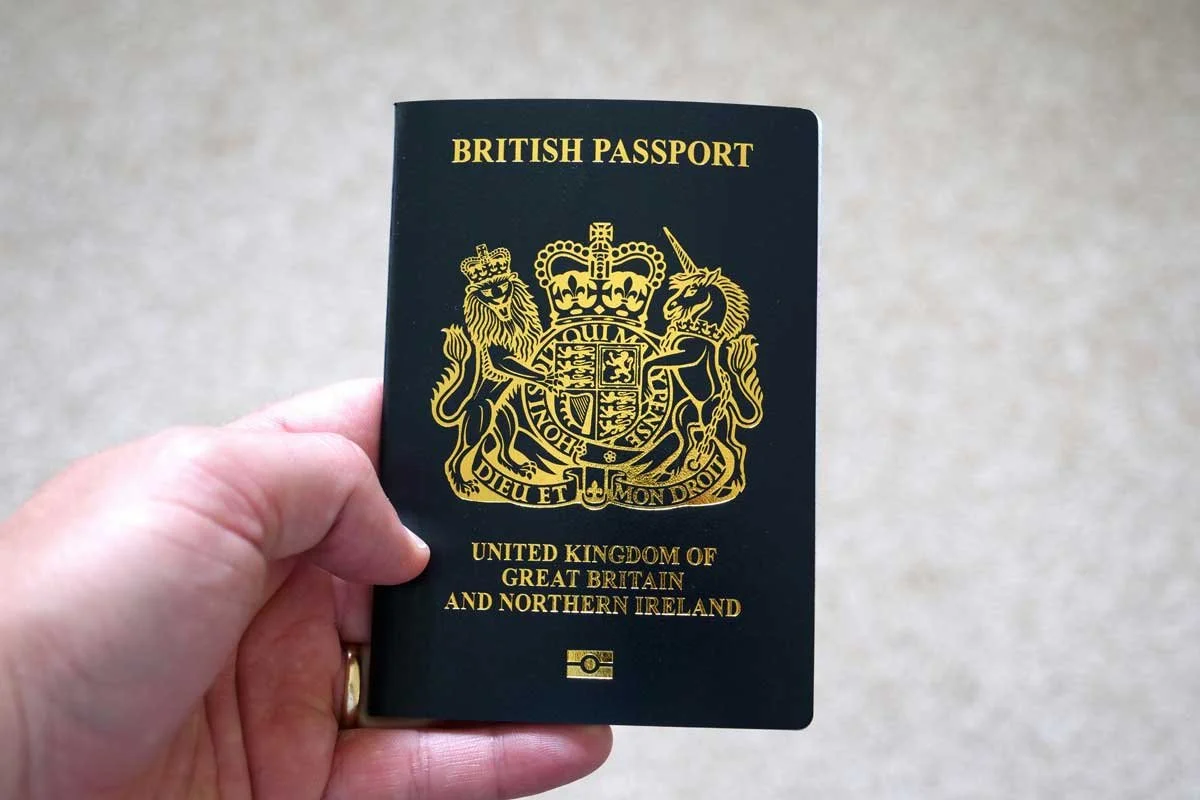
For an American who has settled in the UK, citizenship is optional. ILR already lets you live and work here without limit, so becoming British is a choice about what else you want: a vote in general elections, a British passport, a status that cannot lapse if you spend years abroad, and citizenship you can pass to children born outside the UK.
The good news is that you do not have to choose between countries. The UK allows dual nationality, and US law lets you naturalise elsewhere without losing your American citizenship. The main costs are time and money: five years in the UK on the standard route, and £1,839 per adult in fees.
What British citizenship adds to ILR
The biggest practical difference is security. ILR usually lapses if you spend more than two continuous years outside the UK; British citizenship does not. If you might take a long posting back in the US, or retire somewhere else for a while, citizenship keeps your right to return.
Citizenship also gives you the vote. Americans with ILR cannot vote in UK general elections, which are limited to British, Irish and qualifying Commonwealth citizens. In local elections, Americans with permission to stay can already vote in Scotland and Wales, but not in England or Northern Ireland. As a British citizen you can vote in all of them.
The passport brings one change many Americans do not expect. British dual citizens cannot get an Electronic Travel Authorisation, so once you are British you must travel to the UK on a British passport or a certificate of entitlement, not your US passport. In the EU, a British passport gives you the same 90 days in any 180 that a US passport does.
Routes to British citizenship for Americans
Most Americans naturalise after ILR. A smaller group is British already, or can register as British, because of a parent.
| Route | Residence | Absence limits | ILR first? |
|---|---|---|---|
| After ILR (most people) | 5 years | 450 days in 5 years; 90 in the last 12 months | Yes, held for 12 months |
| Spouse or civil partner of a British citizen | 3 years | 270 days in 3 years; 90 in the last 12 months | Yes, no waiting period |
| Born abroad to a British parent | None | Not applicable | No: usually British automatically |
| Born before 1983 to a British mother | None | Not applicable | No: register on form UKM |
| Born before July 2006 to an unmarried British father | None | Not applicable | No: register on form UKF |
| British grandparent only | No route | Not applicable | The Ancestry visa is not open to US citizens |
Sources: GOV.UK guidance on citizenship after ILR, citizenship for spouses and citizenship through a British parent.
After ILR
On the standard route you need five years' residence and 12 months with ILR, so most Americans on a five-year visa route apply six years after arriving. You must also have been physically in the UK on the date exactly five years before the Home Office receives your application. If you were abroad that day, the Home Office may refuse the application or use a later start date, so check the date before you submit.
Spouses and civil partners of British citizens
If you are married to, or in a civil partnership with, a British citizen, the residence period drops to three years and there is no 12-month wait after ILR. Americans on a partner visa as the partner of a British citizen reach ILR after five years, so they can usually apply for citizenship straight away.
Americans with a British parent
If you were born in the US to a parent who was British otherwise than by descent, you are probably British already. You do not naturalise; you apply for a British passport with evidence of your parent's citizenship. Older rules treated mothers and unmarried fathers differently, so if you were born before 1983 to a British mother, or before July 2006 to a British father who was not married to your mother, you can usually register instead, with only the £130 ceremony fee to pay. A British grandparent alone does not make you British, and the UK Ancestry visa is open only to Commonwealth citizens.
What you need to qualify
Absences and immigration status
The absence limits are 450 days in the five years and 90 days in the final 12 months, or 270 and 90 for spouses. The Home Office normally overlooks up to 30 days over the limit and can accept more where your home, work and family are clearly in the UK. You must also have had no time limit on your stay for the 12 months before you apply, which ILR covers.
English and the Life in the UK test
US nationals meet the English requirement automatically, because the US is a majority English-speaking country. You still need a pass in the Life in the UK test, but a pass from your ILR application counts, so most Americans do not need to sit it again.
Good character
Every adult applicant must be of good character, and the Home Office's good character guidance is strict. A prison sentence of 12 months or more normally means refusal. Lesser convictions, including court fines for driving offences, lead to refusal unless the caseworker is satisfied you are still of good character. Fixed penalty notices are not convictions, but several in a short period can count against you. Unpaid council tax and NHS debts over £500 are also grounds for refusal.
Above all, disclose everything, including convictions and penalties abroad. Failing to declare something that would have led to refusal means the application must be refused, and it normally rules out another application for 10 years.
Referees
You need two referees who have each known you for at least three years. One must be a professional person of any nationality; the other must hold a British passport and be either a professional person or over 25. Neither can be related to you or to each other, or be your solicitor or agent.
How to apply and what it costs
You apply online using form AN on the GOV.UK citizenship page and then give your fingerprints and photo within 45 days, or the application is invalid. Decisions usually take up to six months, and a priority service is available that normally decides within 30 working days.
| Item | Cost | Notes |
|---|---|---|
| Naturalisation application | £1,709 | Not refunded if refused |
| Citizenship ceremony | £130 | Refunded if the application fails |
| Life in the UK test | £50 | Only if you have not already passed it |
| First adult British passport | £102 | Online; £115.50 by post |
| Registering a child | £1,000 | Per child, from 8 April 2026 |
Sources: Home Office fees table and HM Passport Office.
If your application is approved, you are invited to a citizenship ceremony, which you must attend within three months. You become British at the ceremony, when you make the oath or affirmation and the pledge and receive your certificate. After that your eVisa no longer works as proof of status for travel, so apply for a British passport and do not book trips abroad until it arrives.
Keeping your US citizenship
The UK does not ask you to give up your US citizenship, and the US does not take it away. According to the State Department, US law does not require dual nationals to choose. Under the Immigration and Nationality Act, naturalising in another country or taking an oath of allegiance costs you US citizenship only if you do it voluntarily and with the intention of giving it up.
Federal regulations go further: the State Department presumes that a US citizen who naturalises abroad or takes a routine oath of allegiance intends to keep US citizenship. The oath and pledge at a British citizenship ceremony fall into that category. The only rule to remember is practical: as a dual national, you must use your US passport to enter and leave the US.
US tax after you become British
Becoming British does not end your US tax obligations. The IRS taxes US citizens on their worldwide income wherever they live, so you keep filing US returns and reporting UK accounts. Our US tax guides for Americans in the UK and FBAR and FATCA guide cover both.
Some Americans who become British go on to renounce US citizenship to end those obligations. That is a separate decision with its own process: interviews at a US embassy or consulate, a fee of $450 since 13 April 2026, and a possible exit tax for people with high net worth or gaps in their US filings. Take specialist US tax advice before considering it.
Citizenship for your children
A child born in the UK is automatically British if a parent was British or held ILR at the time of the birth. Children born here before you got ILR are not, but they can usually be registered once you become settled or British. Children born abroad after you naturalise are British by descent, which means they cannot automatically pass British citizenship on to their own children born outside the UK. Registering a child costs £1,000 from 8 April 2026, and the rules are on the GOV.UK registration page.
What might change
The government's May 2025 immigration white paper proposed "earned citizenship", with a longer standard qualifying period and faster routes for people who contribute more. No details have been published, and the change would need new primary legislation; as of 19 October 2026 no Bill has been introduced. Separately, the earned settlement proposals could make ILR itself take longer, which would push back citizenship too.
| Change | Status | Date |
|---|---|---|
| Fees: £1,709 plus £130 ceremony | In force | 8 April 2026 |
| Good character: illegal entry normally means refusal | In force | Applications from 10 February 2025 |
| B2 English for settlement (not citizenship) | Laid | From 26 March 2027 |
| Earned citizenship: longer qualifying period | Proposed | Needs new legislation; no Bill |
| Earned settlement: 10-year baseline for ILR | Proposed | Policy due later in 2026 |
Sources: House of Commons Library, GOV.UK earned settlement consultation and the Home Office.
The requirements described here are the ones in force on 19 October 2026. If you already hold ILR and meet the residence and absence limits, nothing announced so far stops you applying now. We will update this guide when the government publishes its settlement and citizenship policy.
Deciding whether to become British
For many Americans the decision comes down to how permanent the UK feels. If you expect to stay, citizenship gives you the vote and a status that can never lapse, and it costs nothing in terms of your US citizenship. If you might leave within a few years, ILR may be enough, as long as you return within two years of any long absence.
The cost is real, especially for families: £1,839 per adult and £1,000 per child before passports. It is a one-off payment, though, and unlike ILR it does not depend on future immigration policy. With the government reviewing both settlement and citizenship, Americans who qualify now have a clear reason not to wait.
Your own absences, character history and family circumstances decide your position, so check the GOV.UK guidance for your route before applying, and take advice from a regulated immigration adviser if anything is unusual. Our general British citizenship guide covers the rules for every nationality.
Frequently asked questions
Yes. The UK allows dual nationality, and US law does not require you to choose. You keep your US citizenship unless you give it up voluntarily and with the intention of doing so.
No. The State Department presumes that a US citizen who naturalises abroad or takes a routine oath of allegiance intends to keep US citizenship. Loss is never automatic and requires an intention to give it up.
Five years, and you must have held ILR for 12 months by the time you apply. If you are married to or in a civil partnership with a British citizen, you need three years' residence and can apply as soon as you have ILR.
On the standard route, no more than 450 days in the five years and no more than 90 days in the last 12 months. For spouses of British citizens the limits are 270 days in three years and 90 days in the last 12 months. The Home Office can overlook small excesses.
£1,839 per adult: a £1,709 application fee plus £130 for the citizenship ceremony. A first adult British passport costs £102 online. Registering a child as British costs £1,000.
No. US nationals meet the English language requirement because the US is a majority English-speaking country. You still need a Life in the UK test pass.
Not if you passed it for your ILR application. A pass does not need repeating for citizenship, and applicants aged 65 or over are exempt.
You need two referees who have each known you for at least three years and are not related to you or to each other. One must be a professional person of any nationality; the other must hold a British passport and be either a professional person or over 25.
At your citizenship ceremony, when you make the oath and pledge and receive your certificate. You must attend within three months of being invited. After that you can apply for a British passport, but do not book travel until it arrives.
No. British dual citizens cannot get an Electronic Travel Authorisation, so you need a British passport or a certificate of entitlement to travel to the UK. You must still use your US passport to enter and leave the US.
Yes. The US taxes its citizens on worldwide income wherever they live, and becoming British does not change that. Only renouncing US citizenship ends it, which is a separate process with a $450 fee and possible exit tax.
Possibly. If you were born outside the UK to a parent who was British otherwise than by descent, you are usually British automatically and can apply straight for a passport. Different rules apply to births before 1983 to British mothers and before July 2006 to unmarried British fathers.
This guide is general information about British citizenship for US citizens, based on the British Nationality Act 1981, GOV.UK guidance, Home Office fees and US State Department and IRS guidance as at 19 October 2026. It is not legal, immigration or tax advice. Nationality and settlement policy is under review, and proposals described here may change before they take effect, or may not take effect at all. Always check the current GOV.UK guidance before applying, and consult a regulated immigration adviser, solicitor or US tax specialist about your own circumstances. Some links are affiliate links; if you use them we may earn a commission at no extra cost to you, and this does not affect our editorial guidance.
The latest UK immigration news
Citizenship, settlement and visa rule changes for new arrivals — updated daily.