Is UK National Healthcare Good? NHS Quality, Outcomes & Patient Experience (2026 Review)
An honest 2026 review of UK healthcare quality. How the NHS performs on survival rates, patient safety, cancer care, maternity, and day-to-day experience for residents and expats.
Updated 19/01/2026
Every expat eventually asks the same question, usually in a quiet moment between paperwork and packing: is the NHS actually good? The question sounds simple, yet it carries layers of hope and unease. Healthcare is not an abstract service; it is the system that will hold you when you are frightened, in pain, or making decisions for someone you love.
The answer, like most truths about the NHS, resists neat slogans. By many international measures the UK delivers remarkably safe, equitable care at relatively modest cost. Survival rates for major illnesses have improved steadily; maternity outcomes remain strong; emergency medicine saves lives daily. At the same time, waiting times, staffing pressures and regional inequalities colour the lived experience of patients in 2026.
To judge whether a health system is “good” requires more than anecdotes. It demands a view that stretches from operating theatres to GP reception desks, from cancer registries to the stories people tell after they go home. This article explores those layers: clinical outcomes, patient safety, everyday experience and how the NHS compares with other wealthy nations.
For expats, the goal is not to win an argument but to build realistic confidence — to understand what the NHS does exceptionally well, where it struggles, and how those strengths and limits may shape your own life in Britain.
- How Do We Measure Healthcare Quality?
- Clinical Outcomes and Survival Rates
- Patient Safety and Standards
- Maternity and Children’s Care
- Cancer Treatment and Chronic Conditions
- The Everyday Patient Experience
- How the UK Compares Internationally
- Where the NHS Excels — and Where It Struggles
- What This Means for Expats
- FAQ: NHS Quality in 2026
How Do We Measure Healthcare Quality?
Quality in healthcare is not a single number but a conversation between science and experience. One part can be counted: survival after heart attacks, infection rates after surgery, the percentage of strokes treated within the golden hour. Another part is felt: whether a patient understood their diagnosis, whether pain was taken seriously, whether a family was spoken to with patience.
Health economists usually describe three pillars. Outcomes show whether treatment works. Safety shows whether harm is avoided. Experience shows whether care is humane. The NHS must hold all three at once, and tension between them is inevitable. A system can be clinically excellent yet feel frustrating; another can feel luxurious yet deliver mediocre results.
The British model has historically favoured equity over comfort. Because care is not bought, it cannot be tailored by price. This produces a remarkable moral consistency — the same cancer protocol for banker and barista — but it can also flatten the personal touches that private systems market as quality. Judging the NHS therefore requires understanding what kind of quality it was designed to pursue.
Clinical Outcomes and Survival Rates
Measured by the blunt arithmetic of life and death, the NHS performs better than many headlines suggest. Mortality from heart disease has fallen dramatically over the past two decades, reflecting improvements in emergency response, public health and cardiac treatment. Stroke care, once a national weakness, has been transformed by specialised units and faster imaging.
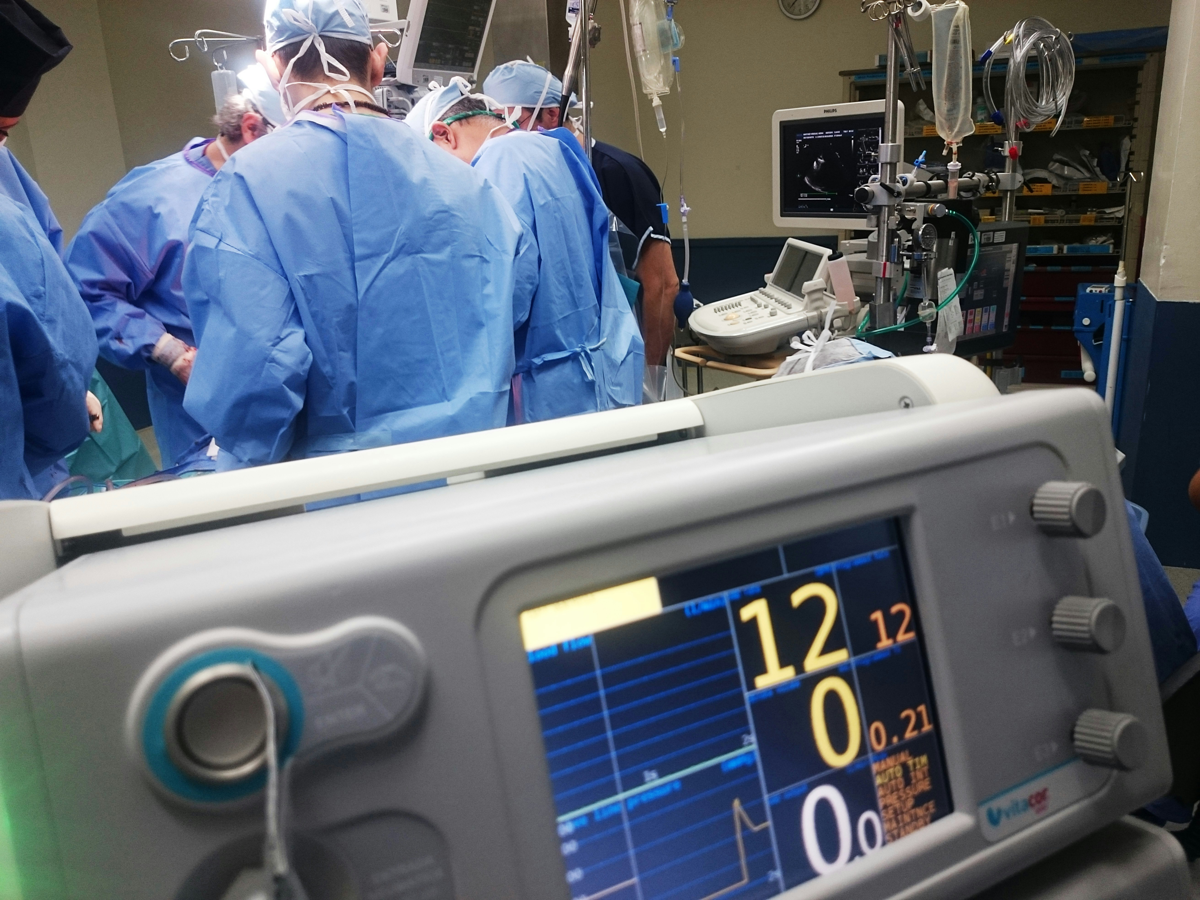
Complex surgery in the UK is often world-class. Transplant programmes, neonatal intensive care and trauma networks routinely achieve results comparable with the best centres in Europe and North America. The advantage of a national system is that innovations spread quickly: once a protocol proves effective in one region, it can become standard everywhere.
Yet outcomes also reveal uncomfortable truths. Certain cancers are still detected later than in some peer nations, partly because the UK historically relied more on GP gatekeeping than open screening. Survival varies by geography and deprivation; a postcode can subtly shape a prognosis. These disparities are not unique to Britain, but the NHS makes them visible because it measures them so openly.
For patients, outcomes are the quiet reassurance beneath everyday inconvenience. A clinic may run late, but the surgeon’s results are carefully audited; a ward may be busy, yet the antibiotics follow national guidance refined through millions of cases.
Patient Safety and Standards
Safety is the least visible form of quality and the most important. The NHS operates within a dense framework of regulation: national institutes issue treatment guidelines, independent inspectors rate hospitals, and adverse events must be reported and reviewed.
This culture of scrutiny can appear harsh from the outside. Newspapers highlight failures with forensic detail, and public inquiries examine tragedies in language that can shake confidence. Yet such openness is itself a safeguard. Systems that expose their mistakes are more likely to learn from them.
In daily practice safety means checklists before surgery, pharmacists reviewing prescriptions, infection teams monitoring wards, and consultants discussing complex cases together. Expats from countries where medical error is handled privately often find this transparency surprising, even unsettling. Over time many come to see it as a form of collective protection.
Maternity and Children’s Care
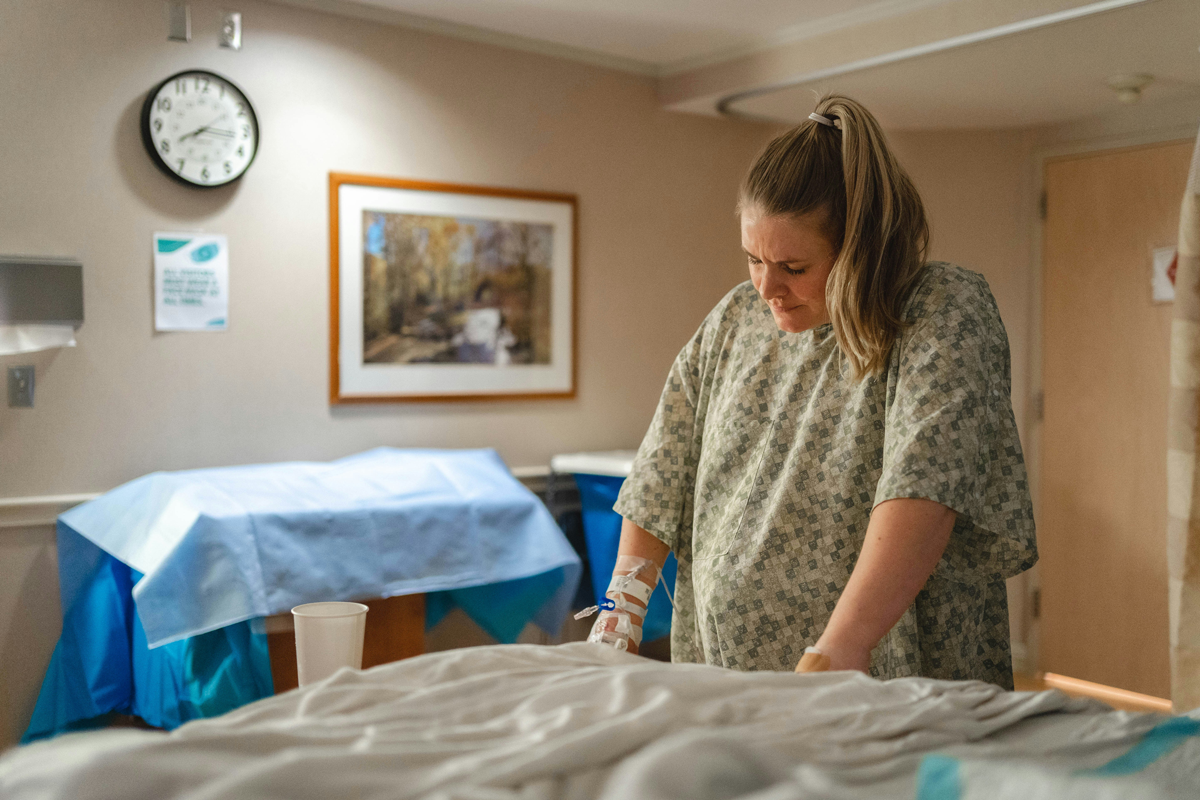
Maternity services reveal the NHS at its most distinctive. Care is led primarily by midwives, with obstetric specialists stepping in when risk rises. Birth is treated not as a commodity but as a public good, surrounded by education, home visits and postnatal support.
Outcomes for mothers and babies in the UK compare favourably with many high-income countries, particularly considering the diversity of the population served. Neonatal units care for extremely premature infants with expertise that draws families from across Europe.
Children’s healthcare follows the same ethos. Vaccination programmes are comprehensive; specialist paediatric hospitals are internationally respected. For expat families the absence of bills at moments of vulnerability often feels like the truest expression of the NHS promise.
Cancer Treatment and Chronic Conditions
Cancer care illustrates both the strengths and the strains of the system. Once a diagnosis is made, multidisciplinary teams coordinate surgery, chemotherapy and radiotherapy with impressive rigour. Access to expensive medicines is negotiated nationally, protecting patients from the lottery of personal wealth.
The challenge lies earlier, in the journey to diagnosis. Awareness campaigns and new community diagnostic centres are improving detection in 2026, yet the UK still works to match the fastest international pathways. The difference of a few weeks can feel enormous to those waiting for certainty.
For chronic illnesses — diabetes, asthma, heart disease — the NHS often excels precisely because it is continuous. Patients are not dropped when insurance changes or employers move; records follow them, prescriptions are subsidised, and community nurses become familiar faces. Quality here is measured not in single triumphs but in decades of steady management.
The Everyday Patient Experience
Statistics cannot capture the texture of a Tuesday morning in a GP surgery: the queue at reception, the child colouring beside a tired parent, the clinician who squeezes in one more appointment before lunch. Experience is uneven because people are uneven, buildings are old, and demand is relentless.
Many expats notice the contrast between modest surroundings and high professionalism. A ward may lack hotel polish yet contain extraordinary skill. Compassion often compensates for creaking infrastructure; at other times bureaucracy intrudes where warmth should be.
Patient surveys in 2026 show a familiar pattern: high trust in doctors and nurses, lower satisfaction with access and waiting. The NHS tends to win loyalty at the bedside and lose it in the car park.
How the UK Compares Internationally
Compared with other wealthy nations, the UK spends less per person on healthcare while achieving broadly similar outcomes. It avoids the medical bankruptcy seen in some systems and guarantees care independent of employment. These are not small achievements.
Where the UK lags is chiefly in speed of routine access and in early detection for certain diseases. The trade-off is philosophical: the NHS chooses universality over immediacy, equity over concierge convenience. Whether this is “good” depends on what one values more — time or security.
Where the NHS Excels — and Where It Struggles
Excellence is most visible in emergencies, complex surgery, maternity and the simple fact that no one is excluded. Struggle appears in workforce shortages, ageing buildings and the long tail of non-urgent waits.
Both realities inhabit the same system. The NHS can save a life in the morning and test a patient’s patience in the afternoon. Judging it fairly requires holding these contradictions together.
What This Means for Expats
For newcomers the NHS is less a service than an introduction to British values. It asks residents to accept inconvenience in exchange for solidarity, to trust clinicians rather than invoices.
Most expats eventually measure its goodness not by comparison with home, but by the moment they needed help and found it there — free, competent and without question.
Understanding Local Variation
Quality in the NHS is national in principle yet local in flavour. Two hospitals separated by only a few miles can feel like different worlds. One may be a gleaming teaching centre attached to a university; the other a district hospital serving an ageing coastal population. Both operate under the same standards, but resources, staffing and community needs shape daily reality.
For expats choosing where to live, these subtleties matter. A city with several large trusts may offer faster access to specialists; a rural county might excel in community care while struggling to recruit consultants. Even within a single hospital, departments can vary — an outstanding cardiology unit may sit beside an overstretched dermatology clinic.
This patchwork does not negate national quality; it reflects the challenge of delivering universal care to diverse communities. Understanding your local landscape — the reputation of the nearest hospital, the strength of GP networks, the availability of urgent care — is part of learning to live well within the system.
Patient Rights, Complaints and Advocacy
A good healthcare system is not only measured by how it treats illness, but by how it treats dissatisfaction. The NHS provides formal routes for feedback and complaint, and these processes are taken seriously.
Patients can seek second opinions, change GPs, and request explanations of decisions. Independent advocacy services help those who feel unheard. Hospitals employ liaison teams whose role is to bridge the gap between clinical language and human anxiety.
For expats unfamiliar with British bureaucracy, these channels can appear labyrinthine. Yet they exist because the NHS accepts a simple truth: quality includes the right to question.
The Role of Staff and Workforce Pressures
Behind every statistic stands a workforce of extraordinary scale. Doctors, nurses, paramedics, pharmacists, porters and cleaners form the architecture of care. Their dedication is the NHS’s greatest asset and its most fragile resource.
In 2026 staffing remains the central pressure point. Recruitment from abroad, new training routes and retention initiatives are slowly easing shortages, but the strain is visible. Quality depends not only on equipment and protocols but on the wellbeing of those who deliver them.
Expats often notice the professionalism of staff even when systems feel stretched. Many describe an unexpected intimacy — clinicians who remember names, nurses who explain gently at midnight — reminders that quality is ultimately human.
Innovation and the Future of Quality
The NHS is sometimes portrayed as resistant to change, yet innovation pulses through it quietly. Digital records, remote monitoring, genomic medicine and artificial intelligence are reshaping diagnosis and treatment.
Community diagnostic centres aim to shorten the path to certainty; virtual wards allow patients to recover at home; new cancer therapies extend life once measured in months. These advances suggest that quality is not static but evolving.
For newcomers, the system they meet in 2026 is already different from that of a decade ago — more digital, more integrated, and gradually more responsive.
FAQ: NHS Quality in 2026
-
Yes. NHS hospitals operate under rigorous national safety standards, independent inspection and mandatory reporting. Many private providers follow the same guidelines, and in complex or emergency care the NHS often has broader expertise and backup facilities.
-
For many conditions the UK achieves outcomes comparable with other high-income countries. Differences exist, particularly in early cancer detection and access speed, but treatment quality once care begins is generally strong.
-
Yes. Clinical decisions are based on medical need, not nationality. Once eligible for NHS care, expats enter the same pathways and are treated to the same standards as any resident.
-
Local demand, staffing levels, building age and community health all influence daily experience. National guidelines provide consistency, but delivery is inevitably shaped by place.
-
Maternity services are widely respected, led by midwives with specialist support when required. Outcomes for mothers and babies are strong by international comparison.
-
Yes. Independent inspection reports, patient surveys and published outcomes allow residents to review the performance of trusts and departments.
-
Not necessarily. Waiting reflects prioritisation and capacity rather than clinical competence. Many patients who wait receive excellent treatment once seen.
-
Mental health care has improved significantly but remains under pressure in many areas. Experiences can vary more than in physical health services.
-
The UK achieves comparable outcomes while spending less per person than many peer nations, suggesting strong value, though access speed remains a challenge.
-
That in emergencies and serious illness the NHS is consistently strong, free at the point of use, and staffed by highly trained professionals.
Is UK national healthcare good? The honest answer is layered. The NHS is not a flawless machine; it is a living institution shaped by politics, budgets and human limits. Yet at its core it delivers something rare in the modern world: competent care offered without a bill, guided by need rather than wealth.
Quality in the NHS is not found only in metrics but in countless ordinary acts — a paramedic arriving through rain, a surgeon following protocols refined over decades, a midwife guiding new parents into confidence. These moments do not erase waiting lists or tired buildings, but they reveal the character of the system beneath the noise.
For expats choosing a new home, the NHS offers a form of security that many countries cannot match. It asks for patience and trust, and in return provides a promise that when health truly falters, you will not face it alone.